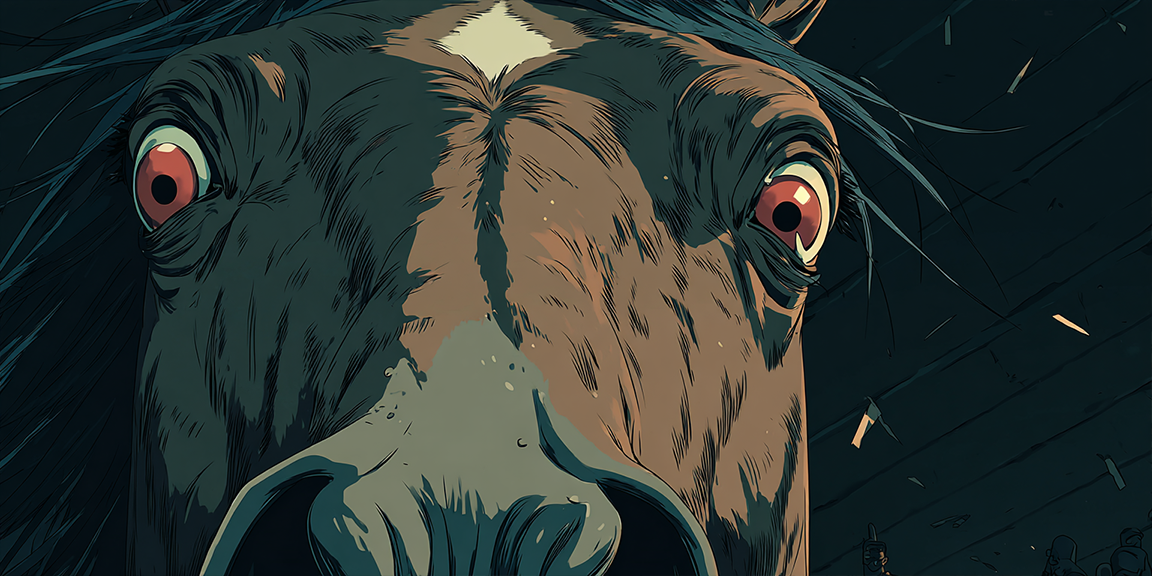
Case cover

Thomas v Bartholomew

A thrown firecracker causes a chain reaction of chaos in a bustling marketplace, leading to a life-altering injury. Who is to blame?

Chapter I: The Account

The Facts

1

Bartholomew threw a lit firecracker into a crowded market.

2

The firecracker landed on a merchant's stall.

3

A bystander threw the firecracker away from the stall.

4

The firecracker landed near a stallion, which got startled.

5

The startled stallion knocked over a cart of apples.

6

Thomas tripped on the apples, shattered his hip, and is now permanently disabled.

The annual summer festival was in full swing in the market square of the capital. Bartholomew, a merchant known for his boisterous humor, decided to liven things up by throwing a lit firecracker into the crowd. The firecracker landed on the stall of a textile merchant, Agnes. Fearing for her valuable silks, a nearby bystander, a baker named Charles, instinctively grabbed the firecracker and tossed it away. It then landed near the feet of a powerful stallion belonging to a knight. The startled horse reared up, knocking over a cart of apples, which then rolled into the path of Thomas, a young farmer, who was carrying a large basket of eggs. Thomas tripped over the apples, falling awkwardly and shattering his hip. The injury is severe and the royal physicians say he will never walk again without a cane, ending his career as a farmer.

Chapter II: The Arguments

Accuser:

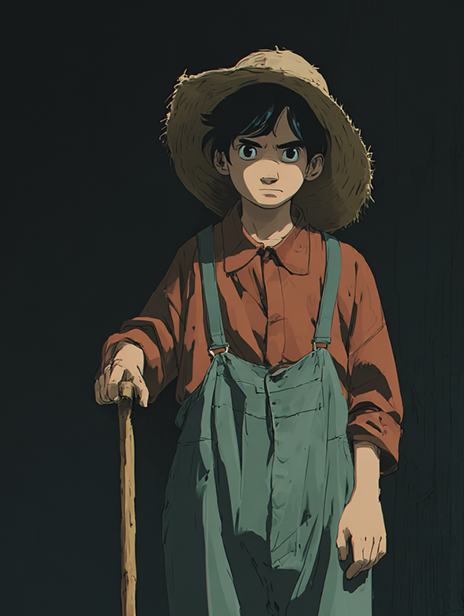
Thomas, a young farmer

Thomas, a young farmer portrait

Thomas argues that Bartholomew's reckless act of throwing the firecracker was the direct cause of his permanent disability. He claims that the actions of the bystander and the horse were not independent acts, but rather a predictable chain of events set in motion by Bartholomew's initial foolishness. He is asking the court to order Bartholomew to provide for his livelihood for the rest of his life, as he can no longer work his farm.
Defendant:

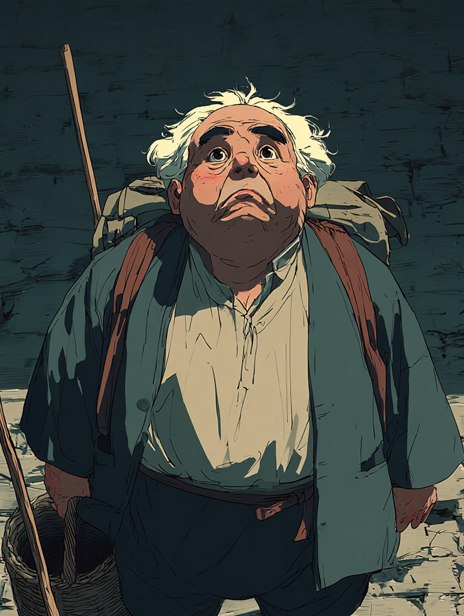
Bartholomew, a mischievous merchant

Bartholomew, a mischievous merchant portrait

Bartholomew, while admitting he threw the firecracker, argues that he is not responsible for the severity of Thomas's injury. He claims that the actions of Charles, the baker, and the knight's horse were intervening events that broke the chain of causation. He argues that he could not have foreseen the specific series of events that led to Thomas's permanent disability and therefore should not be held liable for it. He offers a public apology for his foolishness and a small sum of gold as a gesture of goodwill, but refuses to support Thomas for life.

Chapter III: Your Deliberation

Is Bartholomew's act of throwing the firecracker the direct cause of Thomas's injury, making him liable for the damages?

0 deliberating
64 judged